
ATX-304 Oral SEDDS Research Solution
50 mg/mL · 30 mL · 1,500 mg total
An investigational oral small-molecule pan-AMPK activator (formerly O304) studied for cellular energy regulation, glucose disposal, and lipid metabolism. Supplied as a pre-dissolved lipid-based SEDDS suspension for laboratory research.

A$170.00AUD
Quantity
Line total: A$170.00
Overview
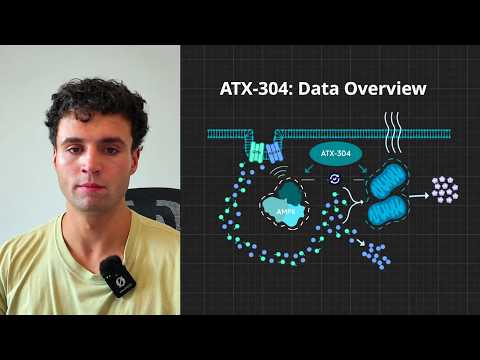
ATX-304 acts directly on AMPK — a primary cellular energy sensor — to promote fatty-acid oxidation and skeletal-muscle glucose uptake. Unlike peptides or central nervous system stimulants, it works through sustained AMPK activity (by suppressing dephosphorylation at Thr172) plus mild mitochondrial uncoupling. In preclinical rodent models these effects have been accompanied by substantial fat-mass reductions with limited impact on lean tissue.
Key Findings from Published Research
Resting Metabolic Rate, Liver Fat and Adiponectin
Resting metabolic rate increased by approximately 8% with no significant rise in core body temperature. MRI assessments also showed reductions in liver fat and visceral adipose tissue, along with lower circulating triglycerides and higher adiponectin, compared with baseline.
Glucose Control and Microvascular Perfusion
In the 28-day TELLUS trial, fasting plasma glucose, HOMA-IR, blood pressure, and calf microvascular perfusion improved in adults with type 2 diabetes on metformin.
Fat-Mass Reduction with Lean-Tissue Sparing
Diet-induced obesity studies demonstrated clear reductions in fat mass and hepatic steatosis with little or no loss of lean tissue.
Non-Stimulant Dual Mechanism
Keeps AMPK locked in its active state without depleting cellular ATP, while mild mitochondrial uncoupling supports increased oxygen consumption and energy expenditure.
Human Clinical Context
Two controlled studies have evaluated ATX-304/O304 in humans:
Phase 1b (ADA 2026)
400 mg once daily sodium tablets · 23 adults with obesity and prediabetes
Reported an ~8% rise in resting metabolic rate, significant reductions in liver fat, visceral fat and triglycerides, and increased adiponectin. Total body-weight change was limited at this dose and duration.
Cambrian Bio announcementTELLUS Phase IIa (JCI Insight 2018)
1,000 mg once daily oral suspension · 65 adults with type 2 diabetes on metformin
Improvements were observed in fasting glucose, insulin resistance markers, blood pressure, and microvascular perfusion.
JCI Insight paperFormulation mismatch
These results come from the specific formulations and doses used in each trial. The 50 mg/mL SEDDS suspension on this page has not been studied in controlled human trials, and no head-to-head comparison with the clinical materials has been published.
About the Oral SEDDS Vehicle
ATX-304 free acid has very low aqueous solubility. A self-emulsifying drug delivery system (SEDDS) holds the compound pre-dissolved in a lipid-based mixture of oils, surfactants and co-solvents. On contact with aqueous fluid it spontaneously disperses into fine oil-in-water droplets designed to maintain solubilisation across a range of pH conditions and support lipid-mediated intestinal transport.
SEDDS
Pre-solubilised lipid dispersion
Holds the compound pre-dissolved in a lipid-based mixture of oils, surfactants and co-solvents. On contact with aqueous fluid it disperses into fine oil-in-water droplets designed to maintain solubilisation across a range of pH conditions and support lipid-mediated intestinal transport.
Sodium-Salt Form
pH-dependent dissolution
Sodium-salt forms (used in the Phase 1b tablets) improve initial water solubility but can still be susceptible to pH-dependent precipitation in acidic gastric fluid. SEDDS are studied as an alternative approach that presents the molecule already in solution.
Theoretical status
Any potential differences in absorption or systemic exposure between this SEDDS and the clinical sodium tablets remain theoretical, as no comparative human pharmacokinetic data have been published.
Product Formulation
50 mg/mL · 1,500 mg total
- 50 mg/mL pre-dissolved lipid-based SEDDS suspension
- 30 mL bottle (1,500 mg total)
- Graduated 1 mL glass dropper for precise volumetric measurement
- Formulated for uniform dispersion without the clumping typical of raw free-acid suspensions
Dosing Context
Published clinical doses were 400 mg once daily (sodium tablets) and 1,000 mg once daily (oral suspension). Anecdotal community reports and educational discussions frequently describe lower starting amounts such as 50 mg (1 mL) once daily in a fasted morning setting, with some titrating higher.
Educational Videos
Product Specifications
| Active compound | ATX-304 (O304) |
| Concentration | 50 mg/mL |
| Bottle size | 30 mL |
| Total content | 1,500 mg |
| Delivery vehicle | Oral lipid-based SEDDS suspension |
| Dispensing | Graduated 1 mL glass dropper |
| Storage | Refrigerate. Store in the fridge away from direct light. Shake well prior to use. |
Disclaimer
This product is supplied strictly for laboratory and scientific research purposes only. ATX-304 is an investigational compound not approved by the FDA, TGA, or any other regulatory authority for human or veterinary consumption, diagnostic, or therapeutic use. References to clinical trials and community reports are provided for informational context only and do not constitute dosing recommendations or medical advice.
Order ATX-304 Oral SEDDS Suspension
30 mL · 50 mg/mL · Tracked shipping Australia-wide. For research use only.